OCONTO COUNTY – The Oconto Unified School District (OUSD) is utilizing funds from a nationwide opioid settlement to proactively educate youths and establish prevention measures.
The Oconto County Opioid Abatement Ad-Hoc Steering Committee — which is distributing the county’s estimated $1.4 million settlement allocation through 2038 — awarded local schools with significant grants to focus on education, prevention and support.
This trend of funding school-level prevention efforts has been seen across the state, according to data from the Wisconsin Department of Health Services (DHS).
An estimated $3 million of the approximately $31 million in expected state opioid settlement funds for the 2026 and 2027 state fiscal year is being directed towards k-12, after school and community prevention activities. Additionally, $2 million will go towards treatment for pregnant and parenting women as well as impacts on infants, toddlers and families.
At OUSD, one way that financial support has been utilized includes an active after school club.
Oconto High School Mental Health Navigator and Homeless Liaison Hilary Trepanier explained that a $40,000 grant directed to the district has allowed the club to make a direct impact on student well-being.
“The club hosts weekly guest educators who cover a variety of topics, including substance use awareness, psychoeducation, financial literacy, life skills and hobbies. These experiences give students practical knowledge and exposure to new interests. For example, one of our upcoming sessions includes a hands-on lesson where a teacher will show students how to change a flat tire and safely put on a spare.”
Recognizing the impact of this grant, Trepanier said, “Prevention funding allows schools to be proactive rather than reactive. It creates opportunities for students to build connections, access support and engage in positive activities before challenges escalate.”
The need for youth prevention efforts is also backed by data from the DHS.
According to the National Survey on Drug Use and Health, the pain medication misuse rate by adults in Wisconsin was 4.1% in 2015, which decreased to 2.5% by 2023. This mirrors a similar decline at the national level, which dropped from 4.5% to 2.9% during the same period.
The study also found that In 2015, the misuse rate among Wisconsin youth stood at 3.4%. By 2022, this rate decreased significantly to 1.7%, with similar rates being seen at the national level.
Although the past-year misuse for youth sits lower than the adult rate, it was found that 11.2% of Wisconsin youth have misused pain medication at least once in their lifetime.
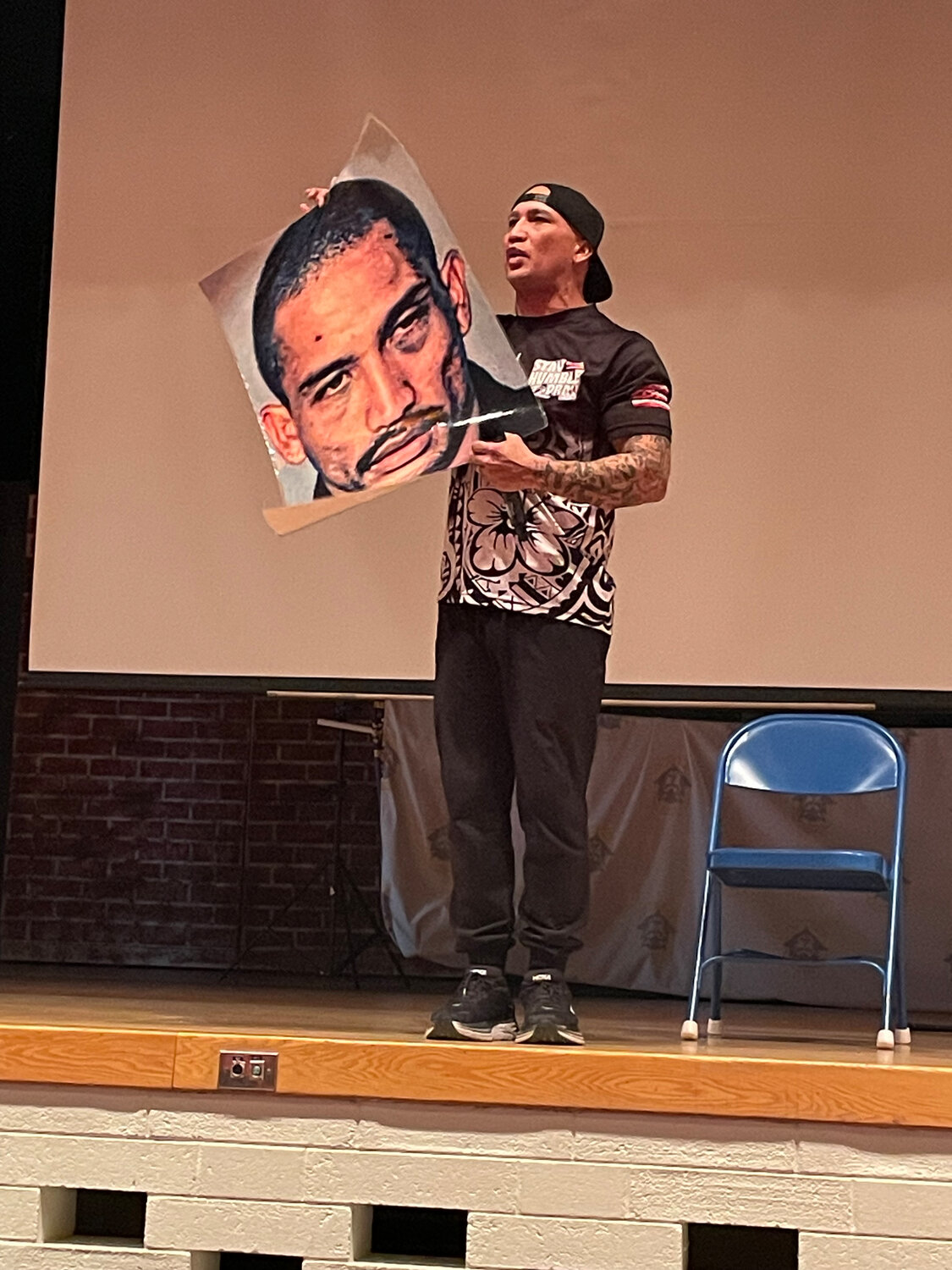
Focusing on prevention efforts for youth and adults alike, OUSD also received $12,100 and $14,295 for two different guest speakers to come to all five county school districts and speak about their own experiences with addiction, incarceration and recovery. This included presentations from Kyle Quilausing, once known as Hawaii’s Most Wanted.
“[Quilausing] shared his personal story about being offered a college golf scholarship, losing that opportunity due to substance use, and the consequences that followed, including time in prison. His message focused on the realities of addiction, resilience, and making positive choices,” Trepanier shared.
Trepanier secured Opioid Settlement Funds to bring Quilausing to Oconto High School for three student presentations, one free community presentation and additional presentations throughout the county, including Oconto Falls, Suring (where Gillett students also attended) and Lena.
The importance of personal conversations is also emphasized by the DHS through their real talks initiative.
“Parents, caregivers and role models have a big influence on the actions of the young people in their lives. Many casual, short conversations as early as age eight can lead to a lifetime of healthy choices because they are less intimidating than one serious discussion,” the department explained.
Opioid abatement funding was also awarded to OUSD and the Lena School District in separate $1,000 grants for post-prom events.
Trepanier reflected on this funding, noting, “Prevention funding makes it possible to pilot initiatives like the after school club, gather meaningful data and refine programming to better meet student needs. Ultimately, these efforts help support students who may be struggling and strengthen the overall well-being of the school community.”
For more information on substance use and how it impacts communities, visit www.dhs.wisconsin.gov/real-talks.
To learn about opioid abatement funding in Oconto County, email opioid.taskforce@ocontocountywi.gov.


Comments
No comments on this item Please log in to comment by clicking here